

Supporting good transitions through life
On 2nd July 2026, the Challenging Behaviour – National Strategy Group held a national meeting focused on ‘Supporting good transitions through life’. The meeting, which was co-chaired by Jacqui Shurlock (CBF CEO) and Dame Philippa Russell DBE (Family Carer), primarily focused on the transition from children’s to adult services, and on supporting people with learning disabilities to move home from hospital.
Presentations:
Transitions Through Life – Family Carer Experiences
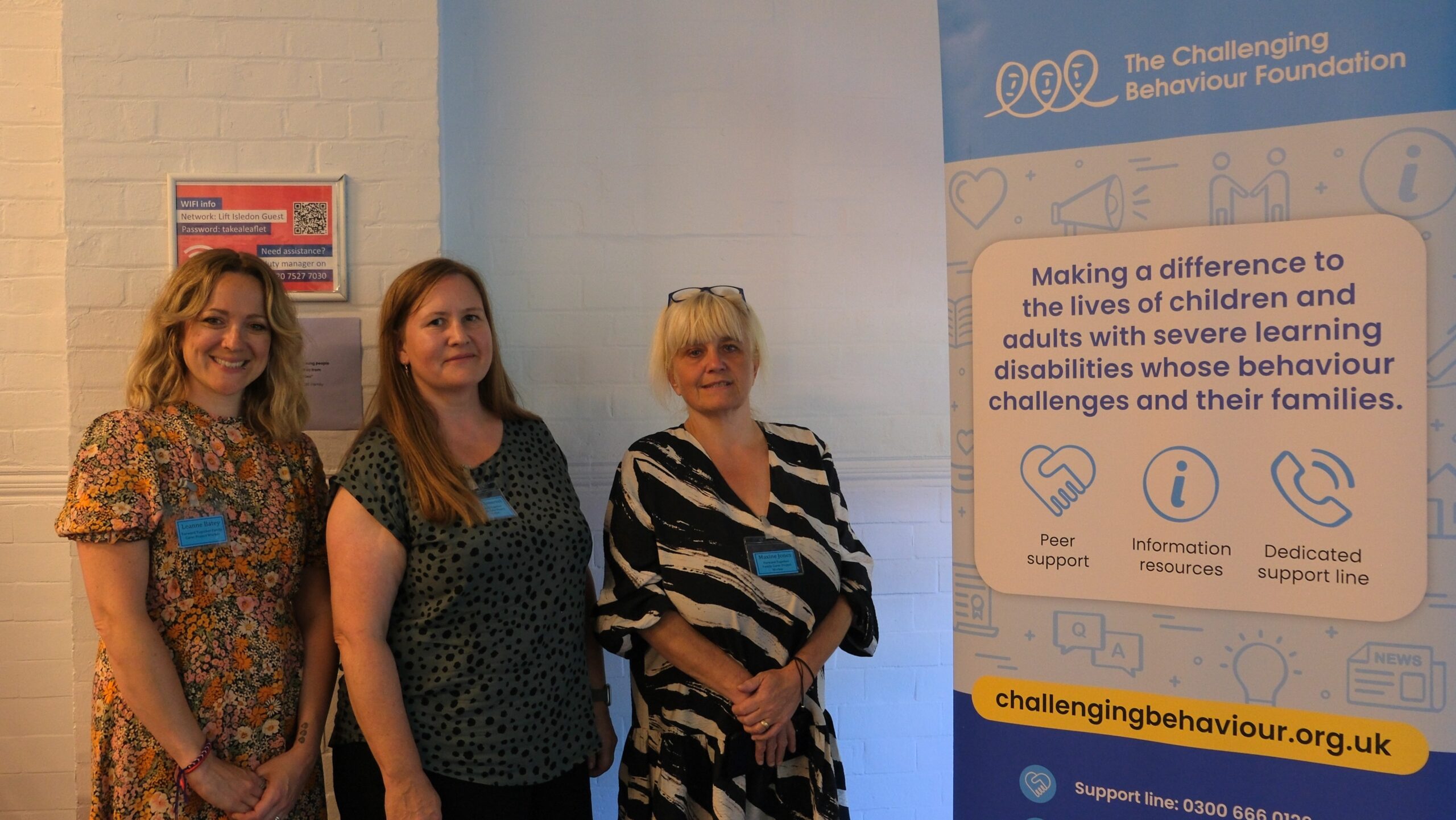
Polly, Leanne and Maxine (Forward Together Family Carer Project Workers) shared their lived experiences of transitions.
Polly, who co-chairs the CB-NSG Transition Subgroup and has teenage boys with severe learning disabilities, shared her experiences of approaching the transition from children’s to adult services, and the need for transition planning to start early so that people have good lives in adulthood. She also shared some of the Forward Together project’s learning about transitions from families and professionals/practitioners, including the need for a transition coordinator.
Leanne shared the difficulties with the transition that she experienced around being involved in decision-making as a family carer of someone with a severe learning disability once they become an adult, the challenges of finding mental health services that can support people with severe learning disabilities who have experienced trauma, and her experiences of services misunderstanding capacity and deputyship.
Maxine, who has two adult brothers with learning disabilities (one of whom has a severe learning disability), reflected on their experiences of transition from children’s to adult services, but also on the other transitions that they have gone through in life. After leaving college, Maxine’s brother began going to a day centre, which they believed was the end of the ‘transition’ process. However, following safeguarding concerns and the centre not being able to provide the level of support he needed, the family removed him from the day centre. The lack of services available locally meant he had to stay at home with his mother for a year without the right support until a different service which could meet his needs was established. The transition from spending all his time at home to going to this day service was far more successful because it was a collaborative and well-planned process, based on what mattered to him.
The presentation concluded with reflections on what family carers want to see during transitions:
- Co-production without the fight
- Early, well-co-ordinated planning – from the age of 14
- A clearer understanding of the Dynamic Support Register (DSR) criteria and the support it should bring to an individual and their family, ensuring it’s used effectively and proactively
- More appropriate provisions for post 19 education and into adulthood
- Education of local companies, organisations and professionals on deputyship/best interest practice
- More support for family carers during lifelong transitions, including clear, precise pathways and more options to empower families and give choice
- A listening ear from people with lived experience who can reflect on their own experiences to support carers and families during transition processes
The Turning of Life’s Chapters
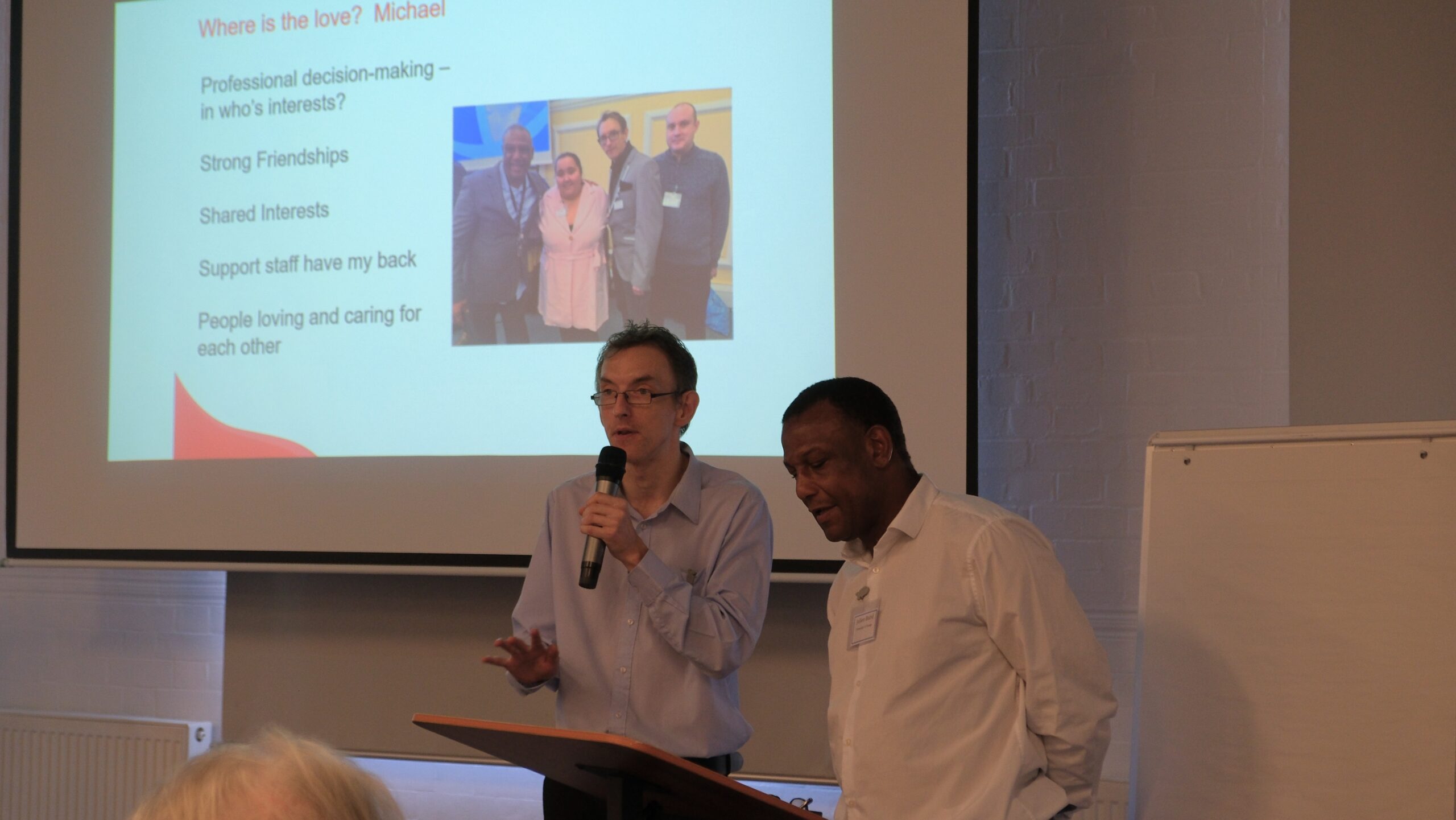
Julien Baird and Michael Stalder from Campaign 4 Change gave a presentation about their experiences of transitions, including moving out of hospital and moving between different supported living services. Although she was unable to be at the meeting in person, Crystal Higgins also shared reflections about transition to adulthood.
The presentation focused on the importance of trust, choice, and friendships, with the importance of self-advocacy and being listened to.
Social Care: Transitions into adulthood
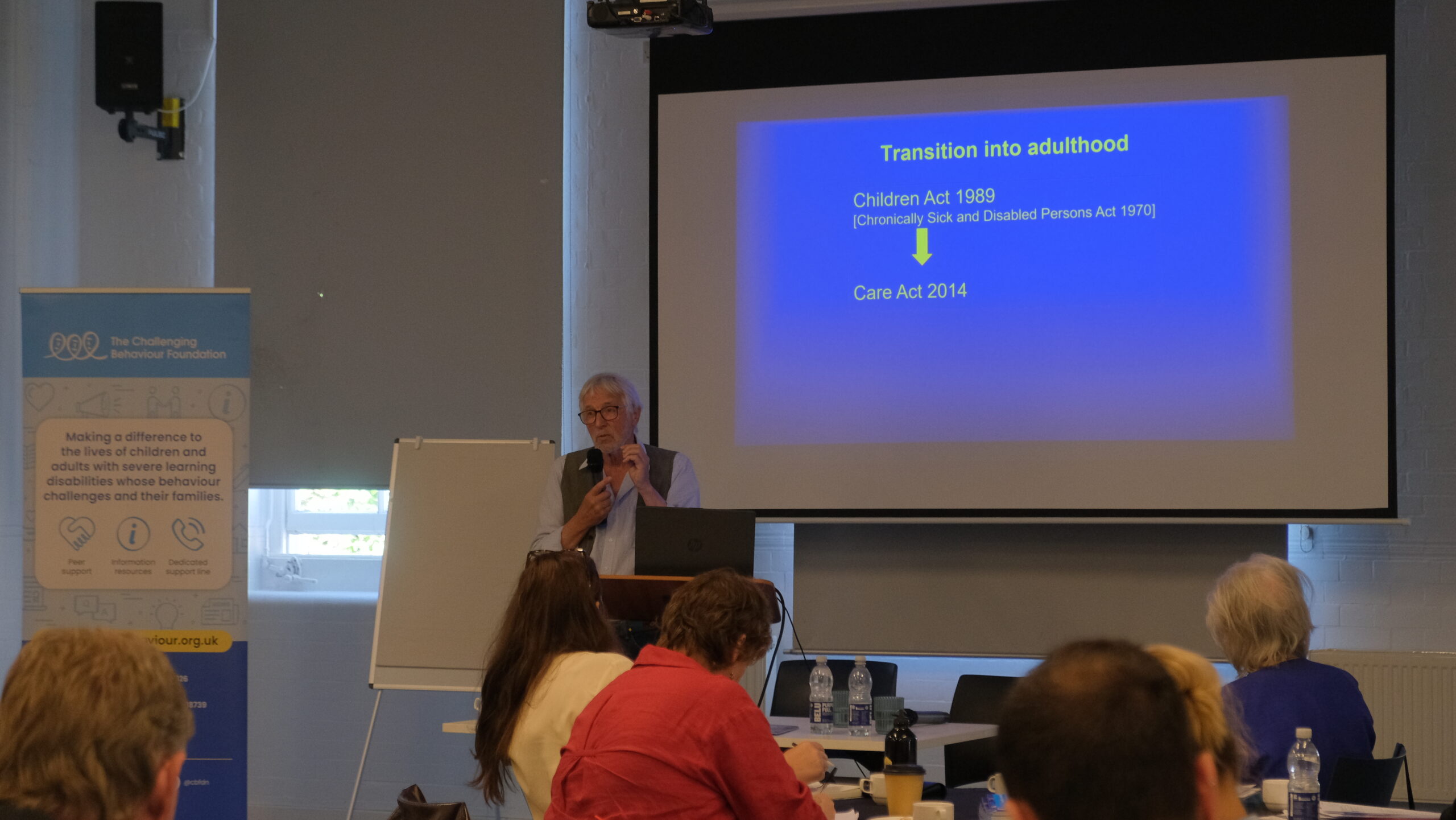
Professor Luke Clements gave a presentation on the law around children’s and adult social care, the differences between them, and how the law changes at transition.
Download a handout of the slides
As well as looking at the law and what should be happening in practice, Luke also talked about the ‘systems failure’ of this not happening in practice, and the impact of this failure on the young person and their family.
Following the presentation, there was a short Q&A for attendees to ask Luke questions about social care law in relation to transitions.
Report launch – Building a Bridge
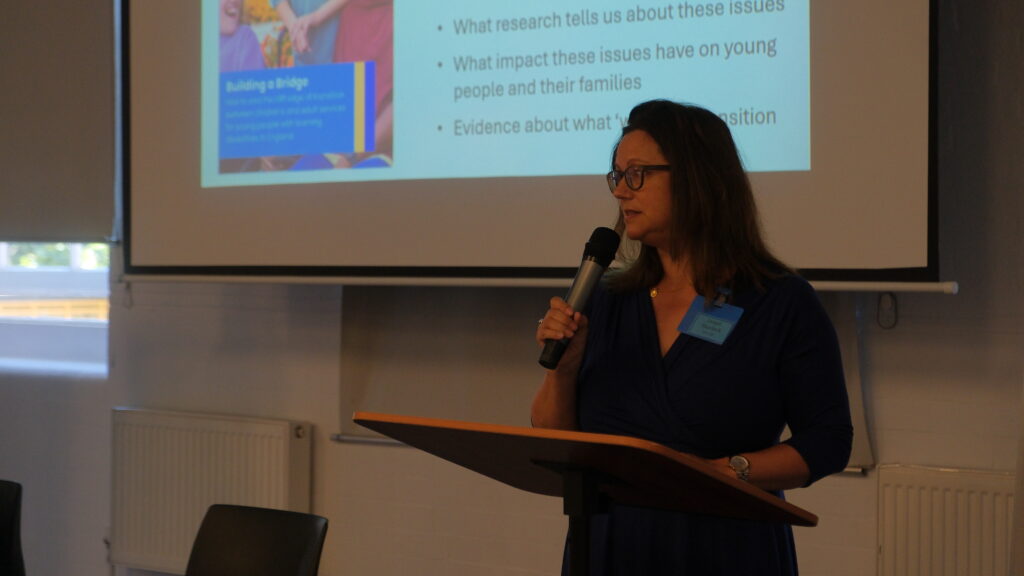
Jacqui and Oana (Family Carer) introduced the new CBF report, Building a Bridge: How to end the cliff edge of transition between children’s and adult services for young people with learning disabilities in England. This report builds on the work of the CB-NSG Transition Subgroup and joint campaigning work with Kids on transition.
The report brings together:
- What legal frameworks and policies say should be happening
- What families tell us about the issues they and their relatives face during the transition to adulthood
- What research tells us about these issues
- What impact these issues have on young people and their families
- Evidence about what ‘works’ in transition
Policy updates
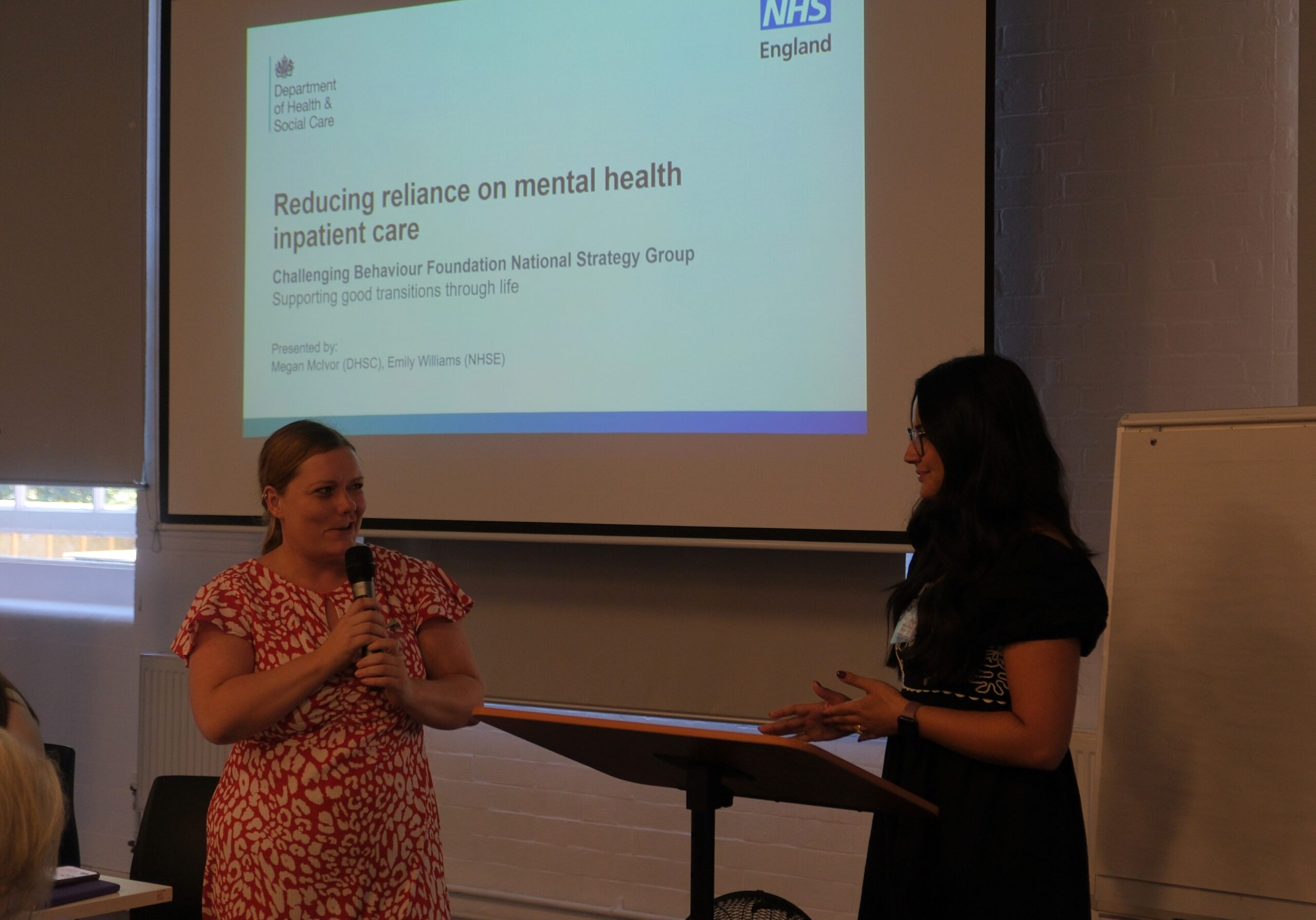
Emily Williams (NHS England) and Megan McIvor (DHSC) gave an update on what is happening within NHS England and the Department of Health and Social Care. Megan gave an update on how the Mental Health Act 2025 is being implemented, and what this means for people with a learning disability. She also updated on how this relates to the Government’s 10 Year Health Plan. Emily gave an update on the Community Ingredients work that has been ongoing to improve community support for people with a learning disability and autistic people.
Using transition processes to proactively develop housing for people with learning disabilities
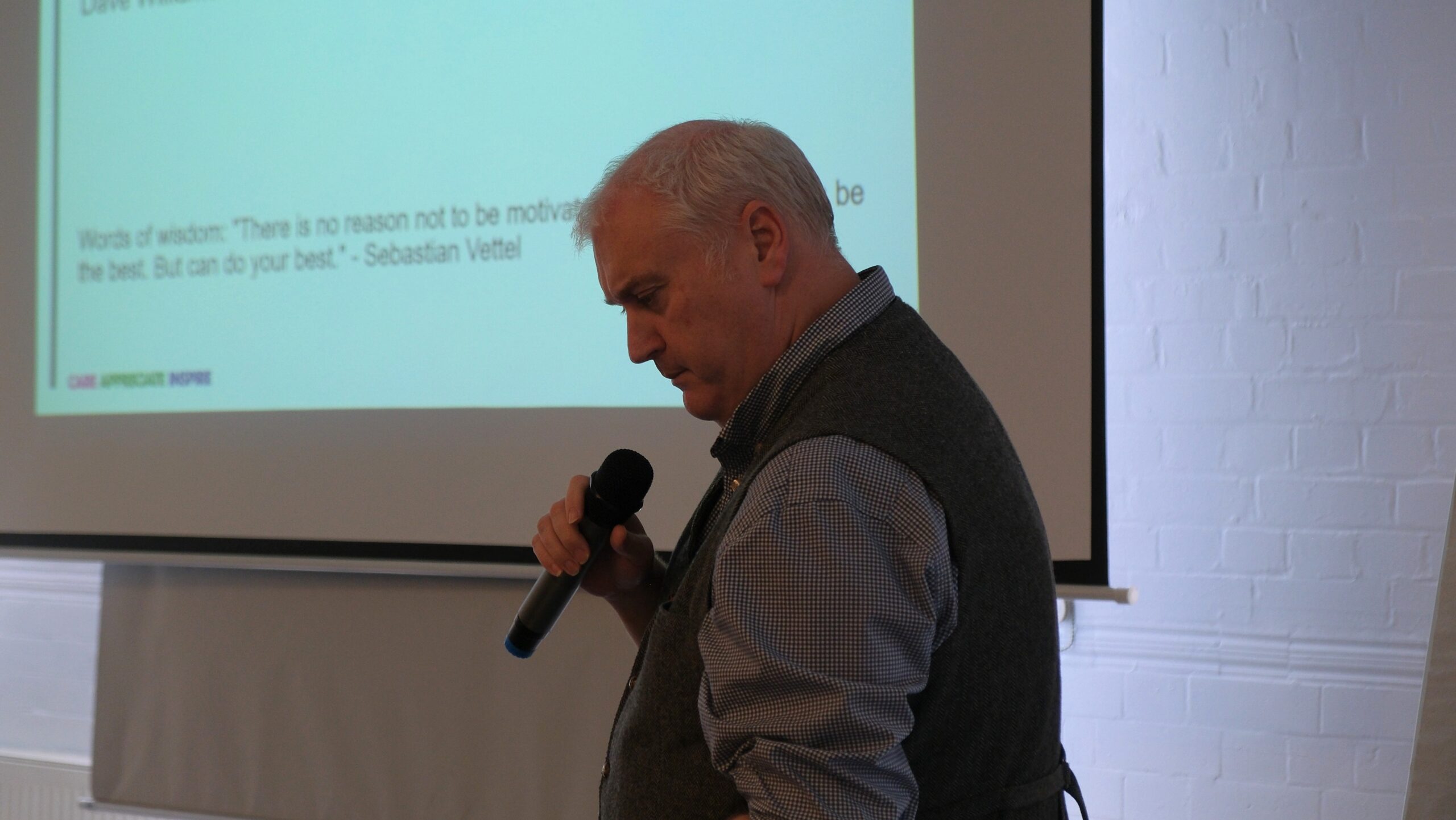
Dave Williams (Northern Care Alliance) gave a presentation on work that they are doing in Salford to proactively develop housing for people with learning disabilities as part of the transition process. The learning disability team works closely with the strategic housing team to identify housing needs and develop housing, so that it is ready when a person is discharged from hospital or becomes an adult. They do this by combining data sources, including transition referrals and Transforming Care data, to identify people who will need housing, and what kind of housing they need.
Supporting our citizens to be discharged from hospital
Wendy Ewins (Black Country Healthcare NHS Foundation Trust) gave a presentation on how they have been supporting people with learning disabilities and autistic people to move out of hospital, or avoid admission, by addressing issues with their system, including too many people being in hospital, poor coordination, and not enough out-of-hours/crisis support. By making advocacy, keyworking, life-planning, and 24/7 commissioning support available, they have increased confidence within the system and been able to provide better support, including by building trusted relationships with people with learning disabilities and autistic people, their families, and the people supporting them.
This was followed by a short Q&A where attendees reflected on the presentation and what can be done across the country to help people with learning disabilities and autistic people live in the community successfully, rather than being unnecessarily admitted to hospital.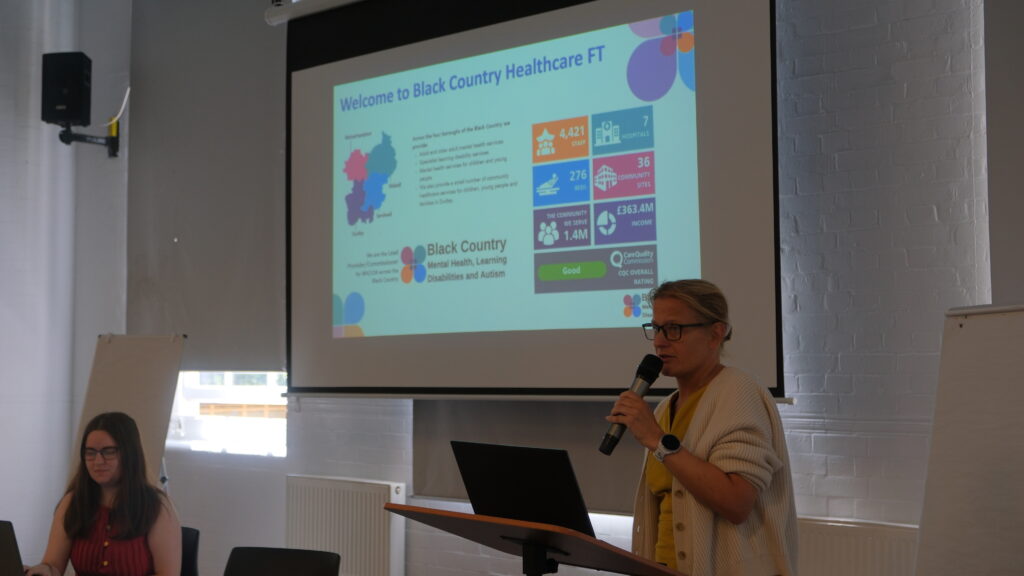
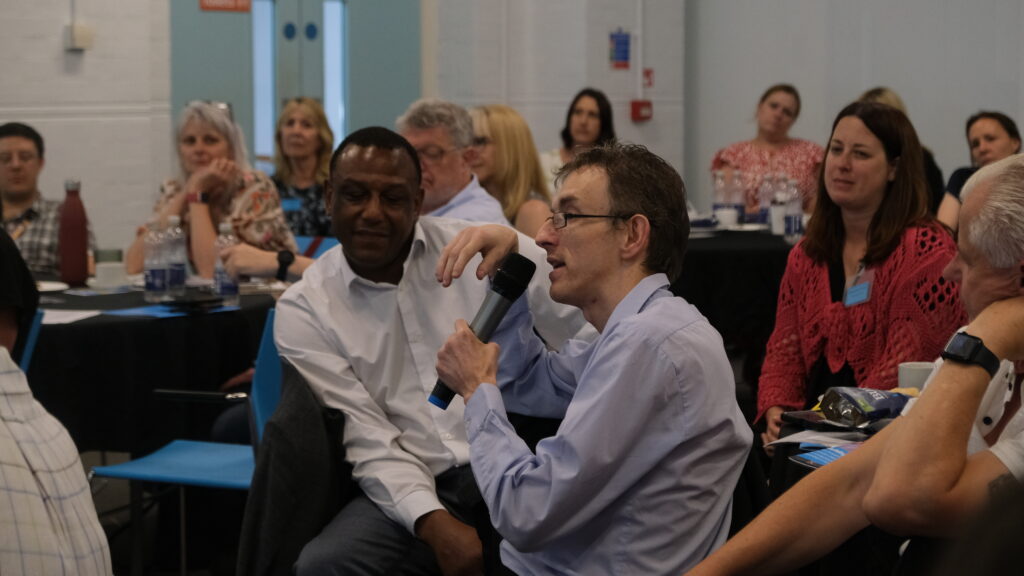
Workshops
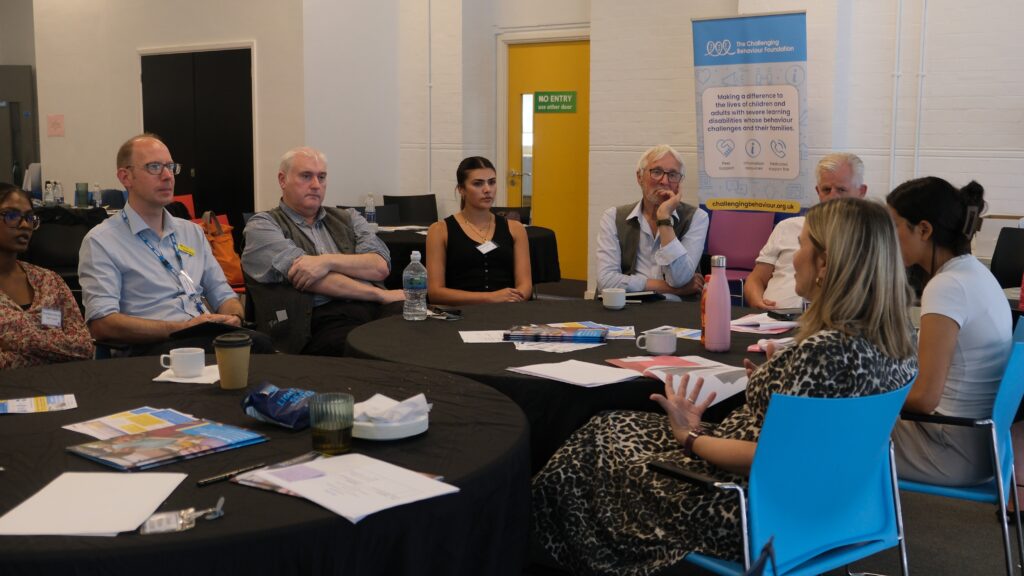
Four workshops were held as part of the meeting. These workshops were an opportunity for CB-NSG members to share insights, ideas, and experience on key issues relating to transitions.
What makes transitions work, and how can we make this happen in all local areas?
Facilitators: Taylor Anderson (Forward Together Project Manager) and Polly Somervell (Forward Together Family Carer Project Worker)
Building on issues and good practice identified through the Forward Together project, this workshop focused on identifying actions that local areas can take to improve transitions, and what national-level actions should be taken to facilitate this.
Making transitions work in all local areas
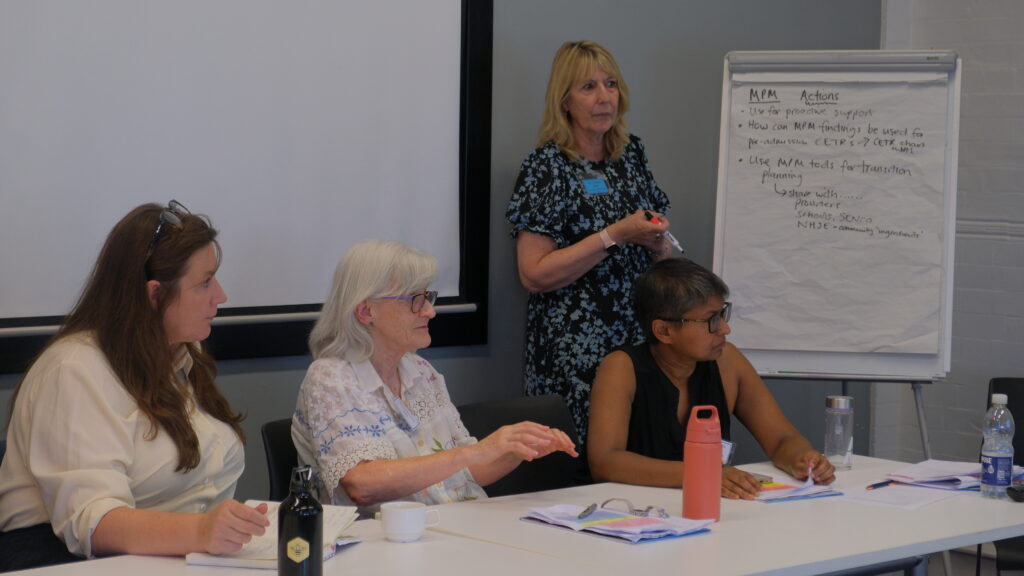
Supporting people with learning disabilities to move home, including from out of hospital: learning from the Making Positive Moves research project
Facilitators: Dr Louisa Rhodes (Hertfordshire Partnership University NHS Foundation Trust) and Viv Cooper OBE (Founder, Challenging Behaviour Foundation; family carer)
The Making Positive Moves research project looks at what is needed to support people with learning disabilities to successfully move out of hospital in the community. This workshop looked at learning from the research, including a newly-published toolkit, and how this could be learnt from and used to improve people’s experiences and quality of life.
Visit the Making Positive Moves website
Strengthening the evidence base on ‘what works’ in transitions
Facilitators: Debbie Austin (family carer) and Alan Williams (IDRIS, University of Birmingham)
The ‘Building a Bridge’ report identified a gap in the research when it comes to evidence of ‘what works’ in transition for young people with learning disabilities. This workshop involved identifying family and professional/practitioner priorities for future research.
Transition to adulthood for young people with learning disabilities – suggested areas for research
Reducing inequalities for children, young people and adults with learning disabilities from minoritised ethnic communities
Facilitators: Gina Aujla and Gemma Harpum (CBF Family Support Team)
The ‘Building a Bridge’ report identified that young people with learning disabilities from minoritised ethnic communities and their families face additional challenges during transition. Drawing on this research, lived experiences, and learning from the CBF Family Support Service, attendees identified issues faced by people with learning disabilities from minoritised ethnic communities and their families, and what actions can be taken to address these.
Thank you to the National Lottery Community Fund for funding the Forward Together project, and to the Paul Hamlyn Foundation for funding the CBF’s work on Transition to Adulthood.