
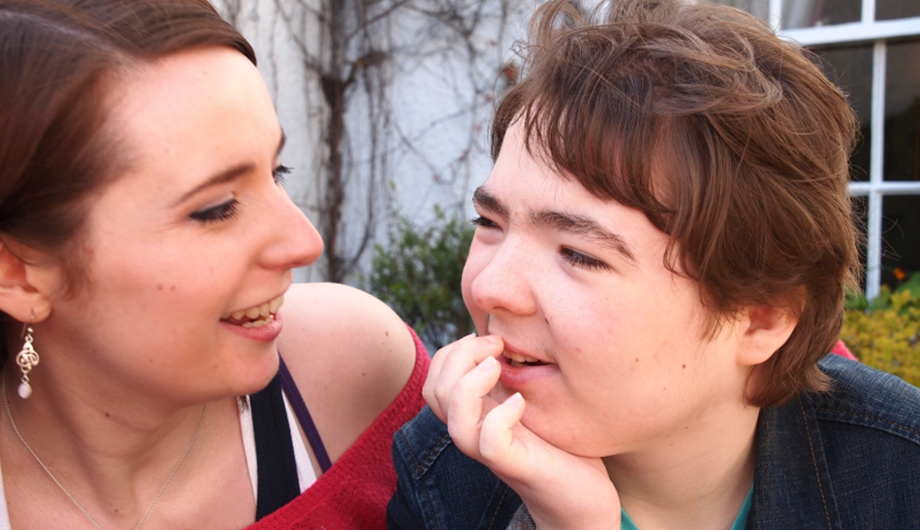
Pica: Kate and Laura’s story
Laura has a severe learning disability. She has a great happy life but her mother's greatest concern for Laura is her Pica behaviour.
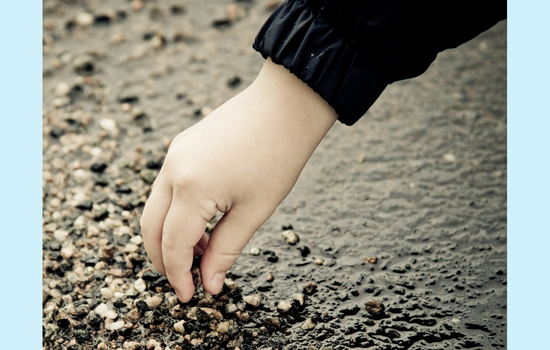
A family carer shares their lived experience of Pica, both as a parent to a daughter Erin, aged 6 who is non-verbal and has a severe learning disability and global developmental delay, and as a sister to David, aged 36, who has autism, a severe learning disability and is non-verbal.
Pica is not a behaviour we can switch off. It’s not a phase and it is not just sensory, it is a constant life-threatening reality that follows us into every room, every outing, and every moment of the day. As a mother, I do not relax. I do not sit down and assume my child is safe, because everyday objects, things most families never think about, can become life-threatening within seconds. Things like soil, Blu Tack, coins, cleaning products, magnets, puddles, plants, ice and anything else that’s within reach. Our home is not a normal home, it is a controlled environment. Things are locked away, toys are restricted, rooms are locked and checked constantly, and freedom is replaced with supervision. This is not how families imagine raising their children, but it is the only way to keep them alive.
We have explained the same condition over and over to professionals who have never heard of severe pica. And too often we are just handed a ‘fact sheet’. There is no pathway, no specialist, no plan, we are just told to “manage it at home”. But we are already managing it every minute of every day. What families like mine need is not sympathy. We need understanding, we need professionals who listen and we need a clear medical pathway. We also need practical support and not just information, because pica is not rare to the families living with it, it is our everyday life. When services don’t understand it, families don’t just feel unsupported, they feel invisible.
Pica is often described clinically as the ingestion of non-food items. That definition does not come close to capturing the reality of living with it. For our family, pica is not a behaviour we can manage. It is a constant, life-threatening risk that shapes our every moment of everyday life. Erin’s pica is severe and persistent. She does not distinguish between what is safe and what is dangerous including stones, soil, plastic, foam, paper, wood, fabric, paint, faeces and hair. All small objects are potential hazards and outdoor spaces, which should be places of freedom and joy, are environments of extreme risk. Erin cannot be left unsupervised, not even for a second. We cannot rely on verbal instruction, reasoning, or redirection alone and by the time something is seen, it may already be in her mouth. Every outing requires scanning the ground, the walls, furniture, and other people’s belongings. There’s no mental rest. The fear is not abstract. There’s ongoing anxiety about bowel obstruction, intestinal perforation, toxic ingestion or emergency hospital admission. Symptoms such as abdominal pain, constipation, or changes in behaviour are never just minor, they are potential red flags. What makes this ever more concerning is when you are dealing with a child or adult like Erin and David who are unable to communicate and have extremely impaired understanding and capacity. This creates a constant background of hypervigilance that is exhausting and isolating.
Pica strips away all normal parenting assumptions. Simple things like playing outside, visiting a park or being in the garden become risk assessments. Social settings are stressful because other people don’t understand the speed or seriousness of the danger. There is guilt for restricting freedom, for constantly saying no or for having to physically intervene. There is the fear of missing something, of what might happen next and of what adulthood will look like. Then there is grief for the ease and safety other families take for granted.
David’s experience of pica was different but no less impactful. As a sibling, I grew up in an environment where attention was often crisis-led, vigilance was normalised and risk was always present. Living alongside pica affects siblings in quiet ways. Increased anxiety, hyper-awareness of danger and a sense of responsibility beyond my years. Pica does not only affect the individual, it shapes the emotional climate of the whole family. It is about parents and siblings doing everything possible to keep someone safe in a world full of hazards, often without understanding, resources or support. Pica is not just about ingestion, it is about fear, vigilance, restriction, exhaustion and love.
David had a medical emergency at the age of 17 when he ingested 32 magnets. Following an x-ray examination at A & E, there was debate amongst 3 clinicians to determine the best treatment pathway- operate or wait for magnets to pass. The invasive nature of such an operation needed to be carefully risk assessed as David would not tolerate medical intervention nor would he be compliant with post-surgery aftercare which placed him at even greater risk of further health complications.
The phrase “we will wait for the magnets to pass” sounds clinically calm. For families like ours, it was anything but. Each day involved the ongoing fear of bowel perforation or obstruction, repeated imaging and monitoring, constant vigilance for subtle changes and living with the knowledge that surgery could become necessary at any moment. The risk did not feel reduced with time, it felt prolonged. Multiple magnets represent a medical emergency, yet awareness of this risk was inconsistent across health, education, and emergency pathways.
Our experience highlights why earlier recognition, clearer escalation, and stronger professional awareness are critical. This medical emergency was not immediately obvious. There was no dramatic choking episode. This reflects a key issue with pica-related ingestion. It is often silent. It may be discovered late, and symptoms can be non-specific at first. By the time ingestion is suspected, harm may already be incurred internally. Multiple magnets do not behave like single foreign objects inside the gastrointestinal tract. Magnets can attract across bowel walls, trap tissues between them, cause pressure, lead to perforation, create fistulas, cause bowel obstruction, sepsis, or even death. These injuries can develop rapidly, sometimes before severe symptoms appear. This is not widely understood outside specialist paediatric or surgical teams.
From a family perspective, the medical pathway felt uncertain and reactive rather than clearly defined. Key challenges included delays in recognising the severity of multiple magnet ingestion, initial underestimation of risk due to the lack of acute distress, reliance on symptoms rather than known ingestion risk, and anxiety caused by waiting for decisions while knowing the potential consequences. For families, like ours this was terrifying. I feel the framework needs to include a treatment and clinical pathway specifically for ingestion of magnets as a high medical risk.
What this revealed about professional awareness
This experience showed us that:
This places children and young people at avoidable risk.
After an incident like this:
For families already managing severe pica, this compounds exhaustion and trauma.
Key learning points from lived experience:
This event left our family in a state of sustained anxiety, with no sense of control or certainty, repeated cycles of hope and fear, and emotional exhaustion rather than relief. For families, it is not possible to switch off when the potential consequences include sepsis, bowel injury, or death. For a child with additional needs, a prolonged hospital stay brought disruption to routine and regulation, increased distress and confusion, sensory overload and difficulty understanding why they were being confined and monitored.
Hospital environments are not neutral spaces for neurodivergent children. They can amplify distress and risk, impacting siblings and family life. During the admission, our normal family life completely stopped. David thankfully successfully passed all 32 magnets with 2 admissions to hospital, repeated imaging, and medication to assist- I use our real life example to raise awareness and create a space for shared learning purposes only.
For many people with pica and sensory processing differences, the drive is to ingest. It is not about hunger or flavour; it is about sensory feedback and regulation. Swallowing certain objects can give intense oral and internal sensory feedback. David did not swallow magnets because he wanted to be harmed. Erin does not seek items or objects just because she doesn’t understand rules. Their nervous systems are seeking regulation and doing so in unsafe ways because safe alternatives are not providing equivalent input.
To prevent harm, I believe the following are essential:
Louise, family carer
Laura has a severe learning disability. She has a great happy life but her mother's greatest concern for Laura is her Pica behaviour.
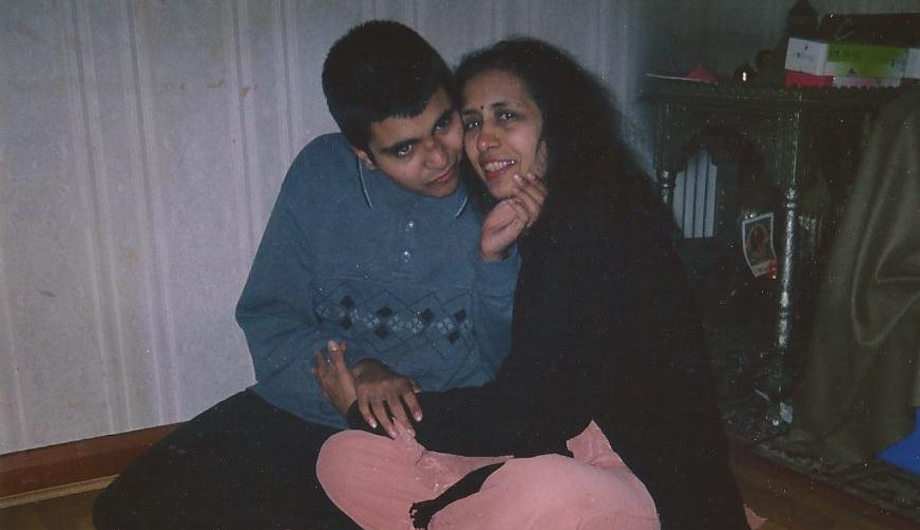
Rekha's story about growing up and caring for her brother with severe learning disabilities.